How to Fall Asleep Faster: 12 Methods That Actually Work
Last updated: April 2026 | 10 min read
This post contains affiliate links. If you buy through our links we may earn a commission at no extra cost to you.
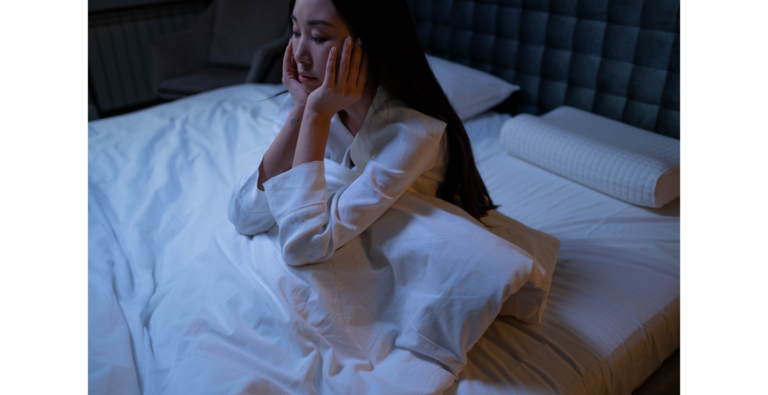
You are exhausted. You have been looking forward to bed all day. Then the moment your head hits the pillow your brain switches on like someone flipped a light switch. You check the clock. You flip your pillow. You stare at the ceiling. Sound familiar?
You are not broken. Difficulty falling asleep affects roughly one in five adults and in most cases it is completely fixable without medication. The problem is almost always one of two things: a racing mind that will not switch off, or a body that has not gotten the signal that it is actually time to sleep.
The good news is that science has given us a clear picture of what actually works. Not supplements, not gadgets, not counting sheep. Specific techniques that address the root cause of why your brain stays awake when your body is ready to crash.
Here are 12 methods that are backed by real research and that people actually use successfully. Continue on and learn how to fall asleep faster.
Why You Cannot Fall Asleep: The Real Reason
Before we get into the methods it helps to understand what is actually happening when you lie awake.
Falling asleep is not something you do. It is something you allow. Your brain has to transition from beta waves, associated with alert focus, down through alpha waves linked to calm, and then into theta waves that mark the beginning of sleep. That transition gets blocked when your nervous system is still in fight or flight mode, still processing the day, still anticipating tomorrow.
Your body also needs its core temperature to drop one to two degrees to initiate sleep. Anything that prevents that drop, a room that is too warm, a hot shower right before bed, even heavy blankets, physically delays sleep onset.
Most people take ten to twenty minutes to fall asleep. That is the healthy range. Falling asleep in under five minutes is actually a sign of sleep deprivation. So if you are taking fifteen minutes that is completely normal. If you are consistently taking forty five minutes or more, one of these methods will help.
How to Fall Asleep Faster : 12 Methods That Actually Work
1. The Military Sleep Method
This technique was developed during World War II to help US Navy pilots fall asleep in under two minutes, even in stressful conditions with noise around them. After six weeks of practice the reported success rate was 96%.
Here is how it works. Lie down and relax your entire face, including your tongue, jaw, and the muscles around your eyes. Drop your shoulders as far down as they will go. Let your arms go loose. Breathe out slowly and relax your chest. Relax your legs from your thighs down to your feet. Then spend ten seconds clearing your mind by picturing one of three scenarios: lying in a canoe on a calm lake, lying in a black velvet hammock in a dark room, or simply repeating the words “don’t think” to yourself over and over.
It takes practice. Most people need a few weeks before it works consistently. But the underlying principle, systematically releasing physical tension from the top of your body to the bottom, is the same one that clinical sleep therapists use.
2. The 4-7-8 Breathing Technique
Developed by Dr. Andrew Weil, this breathing pattern activates your parasympathetic nervous system which shifts your body from stress mode into rest mode. Multiple small trials have shown it reduces sleep onset time by 30 to 50%.
The pattern is simple. Exhale completely through your mouth. Close your mouth and inhale quietly through your nose for four counts. Hold your breath for seven counts. Exhale completely through your mouth for eight counts. That is one cycle. Repeat three to four times.
The extended exhale is the key. It forces your heart rate to slow and your cortisol levels to drop, which is exactly the physiological state your body needs to fall asleep.
3. Progressive Muscle Relaxation
Progressive muscle relaxation has over 40 years of clinical backing for both sleep onset and maintenance insomnia. The idea is simple: systematically tense and release each muscle group in your body, starting from your toes and working upward.
Tense each muscle group for five seconds, then release for thirty seconds before moving to the next. Work your way from your feet up through your calves, thighs, stomach, chest, arms, hands, and finally your face.
Most people are carrying tension in their body that they are completely unaware of. This technique makes that tension visible and gives you a way to actively release it.
4. Cool Your Room Down
Your core body temperature naturally drops as you approach sleep. A room above 70 degrees actively blocks this process because your body cannot shed heat into a warm environment.
Research consistently points to 65 to 68 degrees Fahrenheit as the optimal sleep temperature for most people. If you share a bed with someone who runs hot, a cooling mattress topper can make a significant difference without requiring you to freeze your partner out.
Set your thermostat before you get into bed, not when you are already lying awake struggling. By the time you notice you are too warm the sleep window has already been disrupted.
5. The Warm Bath Trick
This sounds counterintuitive but it is one of the most well researched sleep onset techniques available. Taking a warm bath or shower one to two hours before bed actually helps you fall asleep faster because of what happens afterward.
When you get out of a warm bath your core body temperature drops rapidly as heat escapes through your skin. That rapid temperature drop mimics the natural cooling process your body goes through as it prepares for sleep and sends a strong signal to your brain that it is time to rest.
The timing matters. One to two hours before bed, not right before. If you shower immediately before bed the temperature is still elevated when you lie down.
6. Cognitive Shuffling
This is one of the newer techniques and one of the more interesting ones. Developed by cognitive scientist Luc Beaudoin, cognitive shuffling works by intentionally creating random, unconnected mental images that mimic the kind of fragmented thinking the brain naturally produces as it drifts off.
The idea is to pick a random neutral word and then visualize unconnected images for each letter. If your word is TRAIN you might picture a turtle, then a rainbow, then an apple, then an igloo, then a nose. The images do not connect. They do not tell a story. That random disconnected quality is exactly what tricks your brain into thinking it is already in the early stages of sleep.
It sounds odd but it works precisely because it gives your mind something completely pointless to do, which is the opposite of the rumination and planning that keeps most people awake.
7. Cut Screens an Hour Before Bed
Blue light from phones, tablets, and laptops suppresses melatonin production by up to two hours. Melatonin is the hormone that tells your brain it is time to sleep. When you scroll through your phone in bed you are chemically delaying your own sleep regardless of how tired you feel.
The fix is not complicated but it requires actually doing it. Stop screens an hour before bed. Swap the habit for something screen free: a physical book, journaling, a crossword, a conversation. If you absolutely cannot avoid screens use night mode or blue light blocking glasses.
A pair of quality blue light glasses costs around $30 on Amazon and is one of the cheapest sleep improvements you can make.
8. Get Out of Bed If You Cannot Sleep
This one goes against every instinct but the research is clear. If you are not asleep within twenty minutes of lying down, get out of bed.
Go to another room and do something quiet and low stimulation until you feel genuinely sleepy, then return to bed. This technique is a core component of cognitive behavioral therapy for insomnia and it works by rebuilding the association between your bed and sleep.
When you lie awake in bed for long periods your brain starts associating the bed with wakefulness and frustration. Every minute you spend lying awake reinforces that association. Getting out of bed breaks the cycle.
9. Keep a Consistent Wake Time
Your circadian rhythm is anchored primarily by your wake time, not your bedtime. If you wake up at the same time every day, including weekends, your body naturally gets sleepy at the right time each evening.
Most people try to fix sleep problems by going to bed earlier. That rarely works. Going to bed earlier when you are not tired just means more time lying awake. The more effective approach is to set a firm consistent wake time and stick to it regardless of how much sleep you got the night before.
Within one to two weeks your body will start getting genuinely sleepy at the appropriate time each night.
10. Write Down Tomorrow’s To Do List
One of the most common reasons people cannot fall asleep is that their brain is trying to hold onto all the things they need to remember tomorrow. It is essentially running in the background doing memory consolidation work and it keeps you mentally active in the process.
Research from Baylor University found that spending five minutes before bed writing a specific to do list for the following day significantly reduced the time it took participants to fall asleep. The more specific the list the better the effect.
The act of writing it down tells your brain it can let go. The information is externalized. You do not need to keep running it.
11. Use White Noise or Pink Noise
Research has found that adults who listen to 45 minutes of relaxing sound before bed fall asleep faster, sleep longer, and wake up feeling more rested than on nights when they do not.
White noise works by masking unpredictable sounds that might keep you alert. A car door, a neighbour’s television, a dog barking. Your brain is wired to respond to novel sounds even during sleep. A constant ambient sound reduces that reactivity.
Pink noise, which emphasises lower frequencies like rainfall or wind, has been shown in studies to stabilise brain activity during sleep and may improve overall sleep quality beyond just helping you fall asleep.
A dedicated white noise machine is worth the investment if you live somewhere noisy. A fan works too. The goal is a consistent ambient sound that drowns out the unpredictable ones.
12. Try Magnesium Before Bed
Magnesium is one of the few supplements with genuine scientific backing for sleep. It supports the production of GABA, the neurotransmitter that slows neural activity and is essential for sleep onset. Many adults are mildly deficient in magnesium without knowing it.
Magnesium glycinate is the form most commonly recommended for sleep because it is well absorbed and less likely to cause digestive issues than other forms. A dose of 200 to 400mg taken 30 to 60 minutes before bed is the typical starting point.
It is not a knockout pill. It works more subtly by reducing the physical tension and mental restlessness that keeps people awake. Most people who find it helpful describe it as making it easier to stay in a relaxed state rather than suddenly feeling sedated.
Which Method Should You Try First
If your problem is a racing mind that will not shut up: try cognitive shuffling or the to do list method first. Both give your brain something specific to do that is not rumination.
If your problem is physical tension and restlessness: try progressive muscle relaxation or the 4-7-8 breathing technique. Both directly address the nervous system activation that causes physical restlessness at bedtime.
If your problem is taking forever to feel sleepy in the first place: fix your wake time consistency and your room temperature. These address the circadian and physiological foundation that everything else sits on.
If you have tried everything and nothing works consistently: cognitive behavioral therapy for insomnia is the first line clinical treatment and it works better than sleep medication for long term outcomes. Many therapists now offer it online. Have you learned how to fall asleep faster?
The One Thing Most People Get Wrong
Most people treat sleep problems as something that needs to be fixed right now, tonight. So they try a technique, it does not work on the first night, and they give up.
Sleep techniques are skills. They require practice. The military method has a 96% success rate but it took pilots six weeks of practice to get there. Progressive muscle relaxation takes two to three weeks of nightly practice before it becomes reliably effective.
Pick one technique that matches your specific problem. Practice it every night for two weeks before deciding whether it works. That consistency is what separates the people who fix their sleep from the people who stay stuck.
Frequently Asked Questions
How long does it normally take to fall asleep? Ten to twenty minutes is the healthy range. Under five minutes can actually indicate sleep deprivation. If you are consistently taking more than thirty minutes it is worth trying some of the techniques above.
Does melatonin help you fall asleep faster? Melatonin is more effective for shifting your sleep timing than for speeding up sleep onset. It works well for jet lag and shift work. For general sleep onset difficulty the techniques above tend to be more effective.
Is it bad to watch TV to fall asleep? The blue light issue aside, using TV to fall asleep trains your brain to need stimulation to switch off. Over time this makes it harder to fall asleep without the TV, not easier.
How to Fall Asleep Faster? The military method combined with a cool room temperature and complete darkness is the fastest combination backed by research. Most people who practice it consistently report falling asleep within ten minutes.
The Bottom Line
Falling asleep faster is almost always about giving your nervous system permission to wind down rather than forcing yourself to sleep. The twelve methods above address the two root causes: a mind that will not quiet and a body that has not gotten the right environmental signals.
Start with one technique that matches your specific problem. Practice it consistently for two weeks. Then layer in a second one if needed.
And if you want to track how your experiments are actually affecting your sleep quality, a sleep tracker like the Oura Ring gives you objective data on sleep onset time, deep sleep, and nightly trends that make it much easier to see what is actually working for your body.
How to Fall Asleep Faster
Prices and availability are accurate as of April 2026. We may earn a commission if you purchase through our affiliate links.
Related Articles
- Best Sleep Tracker 2026: The Complete Guide (Tested and Ranked)
- Best Magnesium Supplement for Sleep (Science Backed Picks)
- Best White Noise Machine 2026: Tested and Ranked
- Best Weighted Blanket for Anxiety and Sleep 2026